The Healing Power of Music: How Sound Shapes Our Emotions and Everyday Lives
14.02.2026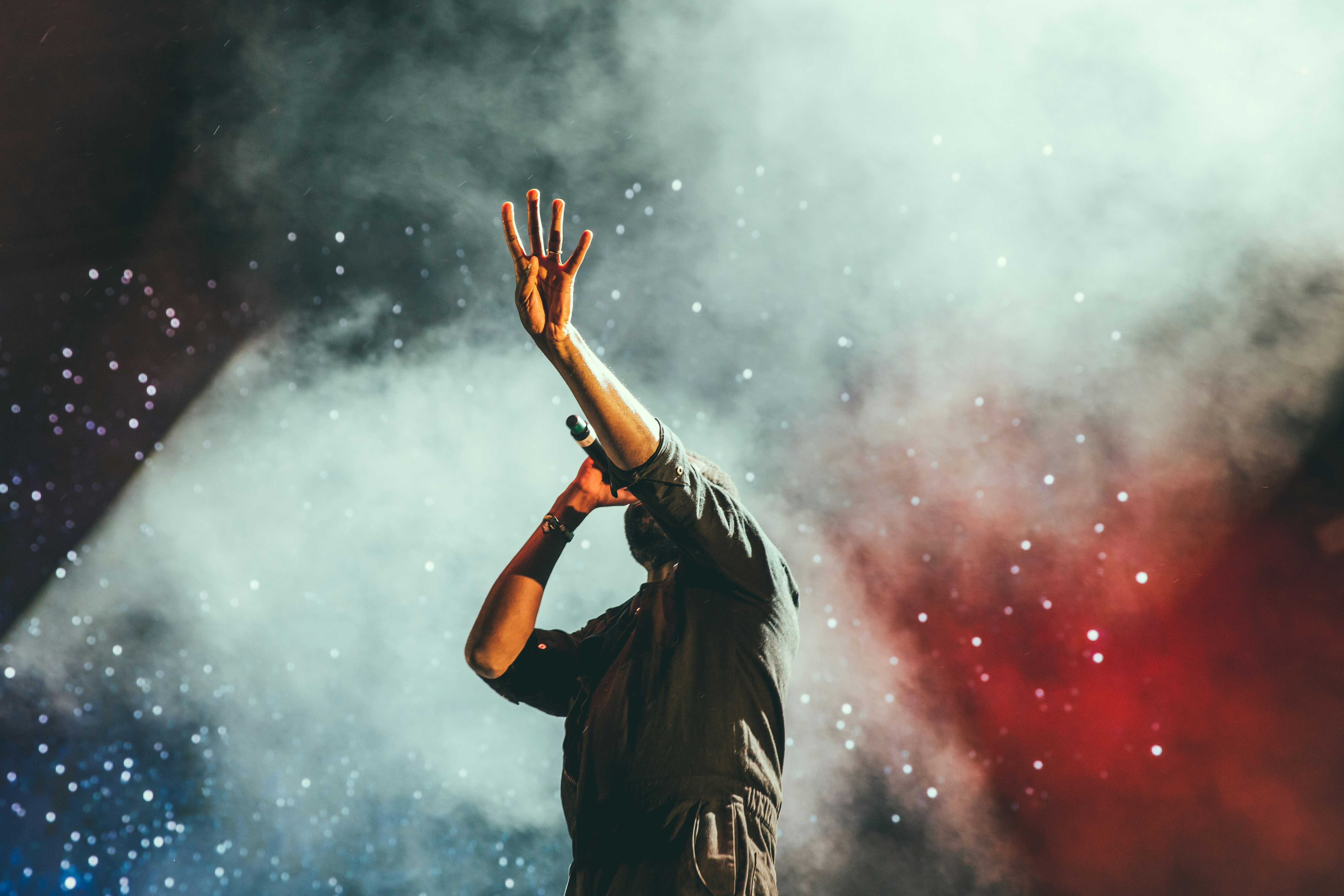
Music is more than entertainment—it is a universal language that speaks directly to the human soul. From ancient tribal rhythms to modern digital soundscapes, music has shaped cultures, expressed emotions, and connected people across borders. Whether it’s a calming instrumental piece after a long day or an energetic anthem that fuels a workout, music has a profound influence on our daily lives.
Music as Emotional Expression
One of the most powerful aspects of music is its ability to express and evoke emotions. A single melody can bring tears to your eyes, while a lively beat can instantly lift your mood. Scientific research suggests that music stimulates the brain’s reward system, releasing dopamine—the “feel-good” chemical responsible for pleasure and motivation.
When we listen to songs that resonate with our experiences, we feel understood. Lyrics often reflect personal struggles, love stories, dreams, and heartbreaks, allowing listeners to process emotions in a healthy way. This emotional connection is why certain songs become timeless classics, staying with us throughout different stages of life.
The Science Behind Music and the Brain
Music activates multiple areas of the brain simultaneously, including those responsible for memory, movement, and emotion. This explains why hearing a song from years ago can instantly transport you back to a specific moment in time. The brain associates music with experiences, creating strong neural connections.
Therapists and healthcare professionals increasingly use music therapy to support mental health treatment. Calming melodies can reduce stress and anxiety, while rhythmic patterns can help patients with motor disorders improve coordination. Music’s impact on cognitive function is so powerful that it is even used to assist individuals with memory-related conditions.
Music in Everyday Life
Music seamlessly integrates into our routines. It wakes us up in the morning as an alarm tone, keeps us motivated during workouts, and provides comfort during quiet evenings. Streaming platforms have made music more accessible than ever, allowing listeners to explore diverse genres from around the world.
For example, artists like Taylor Swift connect with millions through storytelling and relatable lyrics, while performers such as BTS demonstrate how music can transcend language barriers and build global communities. The influence of iconic figures like Bob Marley also shows how music can spread powerful messages of peace and unity across generations.
Cultural Identity and Music
Every culture has its own unique musical traditions that reflect its history and values. From classical compositions in Europe to rhythmic drumming in Africa and soulful folk music in Asia, music preserves cultural heritage. Festivals and celebrations often revolve around musical performances, strengthening community bonds.
Music also plays a vital role in social movements. Throughout history, protest songs have inspired change and given a voice to the unheard. When people gather to sing or chant together, the shared rhythm creates a sense of solidarity and collective strength.
The Rise of Digital Music and Independent Artists
The digital revolution has transformed the music industry. Social media platforms and streaming services now allow independent artists to share their work without relying solely on traditional record labels. This shift has democratized the industry, enabling fresh talent to reach global audiences.
Aspiring musicians can record, produce, and distribute songs from home studios. Viral trends on short-video platforms can turn unknown performers into overnight sensations. While this digital expansion increases competition, it also encourages creativity and innovation.
Listeners benefit from personalized playlists generated through algorithms that analyze listening habits. This technology introduces users to new genres and emerging artists, expanding musical horizons like never before.
Music as a Form of Self-Care
In today’s fast-paced world, self-care is essential—and music is one of the simplest tools for relaxation and mindfulness. Soft instrumental tracks can enhance meditation sessions, while nature-inspired sounds create a peaceful atmosphere at home. Even singing along to your favorite song in the car can reduce stress and boost confidence.
Creating music can be equally therapeutic. Learning to play an instrument improves focus, patience, and discipline. Whether it’s strumming a guitar, playing piano, or experimenting with digital production software, engaging with music actively strengthens creativity and problem-solving skills.
Building Connections Through Sound
Music has a unique ability to bring people together. Concerts and festivals unite strangers under one shared experience. Singing along in a crowd creates a powerful sense of belonging. Even in virtual spaces, fans connect through online communities dedicated to their favorite artists and genres.
Families often pass down musical preferences through generations, introducing children to beloved classics while discovering new hits together. These shared listening experiences build memories that last a lifetime.
Final Thoughts
Music is woven into the fabric of human existence. It heals, inspires, motivates, and connects us in ways words alone cannot. In moments of joy, sorrow, celebration, or reflection, there is always a soundtrack that fits perfectly. As technology continues to evolve and new artists emerge, music will remain a constant companion—reminding us that no matter where we come from, rhythm and melody unite us all.
Whether you are a casual listener or a passionate audiophile, take a moment to appreciate the songs that shape your journey. After all, life is better with a little music playing in the background.
No comments yet. Be the first to say something!